
The Tax Mechanics of ESOPs: Aligning Employee Incentives with Regulatory Compliance

An Employee Stock Option Plan (ESOP) is a powerful tool for aligning a team’s interests with the company’s long-term success. By offering employees a stake in the business, companies foster a culture of ownership. However, the “paper wealth” created by ESOPs often carries complex tax implications that both founders and employees must navigate to avoid unexpected liabilities at the time of exercise or sale. Understanding the Taxable Events in ESOPs Tax obligations in an ESOP do not usually happen all at once. Instead, they are triggered at specific stages of the option lifecycle: Grant Date: This is when the option is given to the employee. In most jurisdictions, there is no immediate tax liability at this stage because the employee has not yet received a tangible benefit. Exercise Date: This occurs when the employee converts their options into actual shares at a pre-set price (strike price). The difference between the current market value and the strike price is often treated as “fringe benefit” income and is subject to income tax. Sale Date: When the employee eventually sells their shares, the profit made from the exercise date to the sale date is typically subject to Capital Gains Tax. Key Compliance Considerations for the Company For the employer, managing an ESOP is not just about legal contracts; it involves rigorous tax reporting and withholding responsibilities. 1. Accurate Valuation Requirements To determine the tax amount at the time of exercise, the company must have a valid valuation of its shares. For private startups, this often requires a formal valuation report to ensure that the “Fair Market Value” reported to the tax office is defensible and accurate. 2. Withholding Obligations In many regions, companies are required to withhold income tax on the “spread” or benefit received by the employee when they exercise their options. Failing to withhold and remit this tax correctly can lead to corporate penalties and legal disputes with employees. 3. Reporting and Documentation The company must issue clear statements to employees regarding the value of the shares granted and exercised. This documentation is essential for the employees’ personal annual tax filings and ensures that the company’s payroll records match the tax portal’s data. Professional Note: ESOP taxation is a “timing” game. Clear communication with employees about when their tax liabilities will arise is essential for maintaining morale and preventing financial distress when it is time to pay the tax bill. Managing the “Dry Income” Problem One of the biggest challenges with ESOPs is “dry income”—a situation where an employee owes tax on the value of the shares they received but has not yet received any cash (because the shares are not yet sold). Companies can support employees by providing “sell-to-cover” options or offering specialized financial planning sessions to help them manage their future tax outlays. Conclusion ESOPs are a sophisticated bridge between talent and equity. By proactively managing the tax aspects of these plans, companies can ensure that their incentive programs remain a genuine benefit rather than a complicated tax burden. Transparency and professional valuation are the keys to a successful and compliant ESOP strategy.
Startup Tax Strategy: Navigating Growth, Funding, and Compliance

For a startup, cash flow is the ultimate lifeline. While founders often focus on product-market fit and user acquisition, ignoring tax compliance can lead to “hidden liabilities” that jeopardize future funding rounds or exits. A sophisticated tax strategy is not just about staying out of trouble; it is about making your startup more attractive to investors and ensuring that every dollar of capital is utilized efficiently. Tax Challenges in the Startup Lifecycle Startups face unique fiscal hurdles that established corporations do not. Mastering these early on prevents administrative bottlenecks during periods of rapid scaling: Managing Tax Losses: In the early stages, many startups operate at a loss. Understanding how to “carry forward” these losses to offset future taxable profits is crucial for long-term tax optimization. Convertible Notes and Equity: Financing through convertible notes or issuing stock options to employees (ESOPs) has specific tax implications for both the company and the recipients. The Complexity of Scaling: Moving from a local operation to a regional or global one triggers “Permanent Establishment” risks and requires a grasp of international VAT or Sales Tax requirements. Building an Investor-Ready Tax Framework When venture capitalists (VCs) conduct due diligence, your tax records are a primary focus. A “messy” tax history can devalue your company or even kill a deal. 1. Professional Payroll and Withholding Startups often rely on freelancers and remote talent. It is essential to correctly classify workers as either employees or independent contractors. Incorrect withholding of payroll taxes is one of the most common reasons for heavy penalties during a tax audit. 2. Intellectual Property (IP) Localization Deciding which entity owns your IP (software, patents, or trademarks) is a critical tax decision. If you plan to expand globally, structuring your IP ownership correctly from day one can prevent costly “exit taxes” or transfer pricing issues later on. 3. Utilizing Founder Incentives Many governments offer tax breaks specifically for startups, such as reduced corporate rates for the first few years or tax credits for R&D (Research and Development). These incentives allow you to extend your “runway” by keeping more cash within the business. Founder Insight: Investors look for “Tax Transparency.” Being able to show a clean ledger and a clear understanding of your tax obligations signals that the company is managed with the discipline required for an IPO or a major acquisition. The Importance of Compliance in Due Diligence In the world of high-growth tech, the “move fast and break things” mantra should never apply to your tax filings. Modern tax authorities use data-matching tools that can flag inconsistencies in your reported revenue vs. your actual bank inflows. Ensuring your digital bookkeeping is robust and real-time is no longer optional. Conclusion Tax compliance is a foundational element of a startup’s maturity. By integrating tax planning into your broader financial strategy, you eliminate a major source of risk and build a transparent, scalable business that is ready for the global stage.
Strategic Savings: Leveraging Tax Incentives for Business Innovation

Many business owners focus solely on the “cost” of taxes, often overlooking the various tax incentives designed to stimulate economic growth. Governments frequently offer tax breaks to companies that contribute to specific goals, such as job creation, technological innovation, or regional development. Understanding and claiming these incentives is not about dodging taxes; it is about utilizing the law to reinvest in your company’s future. Common Types of Tax Incentives Depending on your industry and location, your business might be eligible for significant tax relief. Some of the most common categories include: Investment Allowances: Deductions based on capital expenditure, such as purchasing new machinery or upgrading your office infrastructure. R&D Tax Credits: Specialized incentives for companies investing in Research and Development to create new products or improve existing processes. Accelerated Depreciation: A method that allows businesses to write off the cost of assets more quickly, providing immediate tax relief and improving short-term cash flow. Tax Holidays: Temporary exemptions from corporate income tax, often granted to new businesses in “pioneer” industries or specific economic zones. How to Qualify for Tax Facilities Claiming an incentive requires more than just checking a box. It demands rigorous documentation and proof of eligibility. 1. Aligning with Government Priorities Incentives are usually tied to the government’s strategic agenda. For example, if the current focus is on “Digital Transformation,” companies that invest in cloud technology or cybersecurity training may find specific tax rebates available to them. 2. Maintaining Substantive Records To claim a tax credit (like R&D), you must be able to show exactly how the funds were used. This includes detailed project timelines, staff hours dedicated to innovation, and receipts for specialized equipment. Without a solid paper trail, these claims can be easily rejected during an audit. 3. Compliance as a Prerequisite Most tax facilities are only available to “Good Taxpayers.” If your company has a history of late filings or unpaid penalties, you may be disqualified from receiving lucrative incentives, regardless of how much you invest in innovation. Strategic Insight: Tax planning should happen before the investment is made. Consulting with a tax professional during the budgeting phase can help you structure your purchase in a way that maximizes your eligibility for available credits. The Long-Term Impact on Cash Flow Utilizing tax incentives creates a “virtuous cycle.” The money saved on taxes stays within the business, allowing for faster scaling, higher wages, or further research. For many successful enterprises, these savings are the primary driver of their competitive edge. Conclusion Tax compliance is not just about fulfilling obligations; it is about identifying opportunities. By staying informed about the latest government incentives and maintaining high standards of financial reporting, your business can significantly reduce its effective tax rate and accelerate its growth trajectory.
Empowering SMEs: Simplifying Tax Compliance for Sustainable Scale-Up

For Small and Medium Enterprises (SMEs), taxes are often viewed as a complex barrier to growth. However, in the modern business landscape, professional tax management is the bridge that transforms a local shop into a scalable enterprise. By utilizing simplified tax regimes, SMEs can spend less time on paperwork and more time on innovation. The Benefits of Specialized SME Tax Schemes Many jurisdictions offer a “Simplified Regime” or “Final Tax” for businesses under a certain revenue threshold. This system is designed to reduce the administrative burden on entrepreneurs. Key advantages of these schemes include: Simplified Calculation: Instead of complex corporate income tax formulas, taxes are often calculated as a small, flat percentage of gross turnover. Streamlined Reporting: Reduced requirements for financial auditing, making it easier for business owners to manage their own filings. Tax-Free Thresholds: Many countries provide a “safety net” where SMEs do not pay income tax until their annual revenue exceeds a specific limit, allowing early-stage startups to reinvest their profits. Critical Steps for SME Compliance Excellence Even with a simplified system, basic financial discipline is mandatory to avoid future legal hurdles. 1. Validating Business Categorization Ensure your business is correctly registered under the SME category. Misclassification can lead to being taxed under the standard corporate rate, which is often much higher and requires more complex bookkeeping. 2. The “Gross vs. Net” Trap In a flat-rate tax system, you pay based on your total sales (gross), not your profit (net). This means even if your business is running at a loss in a particular month, the tax obligation remains. Understanding this is vital for maintaining a healthy cash flow. 3. Transition Planning Simplified tax schemes often have an “expiration date” or a revenue cap. Once your business grows beyond these limits, you will be required to switch to the standard corporate tax system. Smart SMEs plan for this transition at least a year in advance by gradually improving their accounting standards. Entrepreneur Tip: Proper tax records are often a prerequisite for securing business loans from banks or attracting angel investors. Think of compliance as a “trust signal” that proves your business is managed professionally. Moving Toward Digital Bookkeeping The era of manual ledgers is ending. SMEs that adopt simple, cloud-based accounting apps find that tax season becomes a non-event. These tools automatically track your turnover and can often generate the necessary tax reports with a single click, ensuring accuracy and peace of mind. Conclusion Tax compliance should not be a burden that keeps you up at night. By leveraging SME-specific tax benefits and maintaining basic financial order, you turn a legal obligation into a competitive advantage that paves the way for institutional growth.
The Art of Arms Length: Navigating Transfer Pricing and Intercompany Compliance

In an era of globalized business, many companies operate through multiple entities, subsidiaries, or affiliates. While this structure offers operational flexibility, it brings one of the most scrutinized areas of tax law to the forefront: Transfer Pricing. For businesses with intercompany transactions, compliance is no longer just about reporting income. It is about proving that every internal transaction is conducted at a fair market price, as if the parties were unrelated. The Core Principle: The Arm’s Length Standard The “Arm’s Length Principle” is the global gold standard for transfer pricing. It requires that prices charged between related parties (e.g., a parent company providing services to a subsidiary) must reflect the prices that would have been agreed upon by independent enterprises under similar circumstances. Common intercompany transactions that trigger scrutiny include: Management Fees: Charging subsidiaries for centralized administrative or executive services. Intangible Assets: Royalty payments for the use of brand names, patents, or proprietary software. Intercompany Loans: Interest rates applied to loans between affiliated entities. Raw Material Sales: Pricing the transfer of goods within the supply chain. Why Transfer Pricing Documentation (TP Doc) is Non-Negotiable Tax authorities are increasingly aggressive in auditing intercompany transactions to prevent “profit shifting.” To protect your organization, you must maintain robust documentation that justifies your pricing strategy. 1. The Local File and Master File Large organizations are typically required to maintain a Master File (containing global organizational information) and a Local File (detailed documentation of specific local transactions). These files must be updated annually to reflect current market conditions. 2. Benchmarking Analysis A professional compliance strategy involves “benchmarking,” which uses specialized databases to compare your internal prices against those of similar independent companies. This data-backed approach is your primary defense during a tax inquiry. 3. Substance Over Structure Regulators look beyond legal contracts. They examine the “Development, Enhancement, Maintenance, Protection, and Exploitation” (DEMPE) functions. If a subsidiary pays a high royalty for a brand but performs all the marketing work themselves, the tax office may challenge the validity of that payment. Key Insight: Transfer pricing is not just a tax issue; it is a business strategy issue. Proper documentation prevents double taxation, where two different countries try to tax the same profit due to a pricing disagreement. Mitigating Risks through Proactive Compliance To avoid the high penalties associated with transfer pricing adjustments, businesses should consider an Advance Pricing Agreement (APA). This is a proactive negotiation with tax authorities to agree on a pricing methodology for future years, providing much-needed certainty for long-term financial planning. Conclusion As your business expands and your corporate structure becomes more complex, the spotlight on your internal transactions will intensify. Mastering transfer pricing compliance ensures that your growth is built on a stable, transparent, and legally sound foundation.
Creator Compliance: A Professional Guide to Tax for Influencers and Digital Content Creators

The creator economy has transitioned from a side hobby into a multi-billion dollar industry. As influencers, streamers, and digital artists secure larger brand deals and diversified income streams, tax authorities are paying closer attention. For the modern creator, being “pro” isn’t just about the quality of your content—it’s about the integrity of your financial reporting. Understanding the Creator Income Stream Tax compliance for influencers is unique because income rarely comes from a single source. A professional creator must account for various types of revenue, each with potentially different tax treatments: Endorsements and Brand Deals: Direct payments for sponsored content are generally treated as service income. Ad Revenue Sharing: Payments from platforms like YouTube or Twitch often involve international tax treaties and withholding taxes. Affiliate Marketing: Commissions earned from referral links require meticulous tracking of conversion reports. Non-Cash Benefits (Endorsements in Kind): Receiving free luxury goods, gadgets, or travel in exchange for coverage is often considered taxable “income in kind” based on the fair market value of the item. Key Strategies for Financial Excellence To avoid the common pitfalls of the “creative tax gap,” professionals should adopt these fundamental practices: 1. Separation of Personal and Business Finances The biggest mistake many creators make is mixing personal spending with business earnings. Opening a dedicated business account allows you to clearly track production costs (like camera gear, editing software, and studio rent) which can often be used as tax-deductible expenses. 2. Mastering the “Deemed Expenses” Rule In many jurisdictions, individual creators can use a simplified reporting method (such as a “Norma” in Indonesia) if their turnover is below a certain threshold. This allows you to pay tax on a percentage of your income without needing a full corporate audit, provided you maintain accurate records of your gross revenue. 3. Global Tax Documentation If you receive payments from overseas platforms, you must manage international tax forms (like the W-8BEN for US-based platforms). Failing to submit these correctly can result in a maximum withholding tax of 30% before the money even reaches your account. Professional Tip: A “gifted” item is rarely free in the eyes of the tax office. If a brand sends you a $2,000 laptop for a review, that amount may be added to your taxable income for the year. Always clarify the tax status of high-value gifts in your talent contracts. Preparing for Future Scrutiny Tax authorities now use AI and social media monitoring tools to cross-reference a creator’s lifestyle and visible wealth with their reported income. Maintaining “Audit-Ready” status means having a digital trail for every campaign, invoice, and business-related purchase. Conclusion Building a career as a content creator requires a long-term vision. By treating your influence as a formal business and maintaining rigorous tax compliance, you protect your brand’s reputation and ensure that your hard-earned income is spent on growth rather than penalties.
The Digital Economy: Mastering Tax Compliance in a Borderless Marketplace

The rapid growth of the digital economy has completely redefined traditional tax boundaries. Whether you are a software-as-a-service (SaaS) provider, a digital marketplace seller, or a content creator, the way you handle taxes is now under a global microscope. Compliance in the digital age is no longer about where your office is located, but where your value is consumed. The Complexity of Digital Tax Obligations Digital businesses face unique challenges that traditional brick-and-mortar stores do not. The virtual nature of these transactions often leads to “compliance blind spots” that can result in significant back-taxes if not managed correctly. Key areas that require immediate attention include: Value Added Tax (VAT) on Digital Goods: Most jurisdictions now require foreign and local digital providers to collect and remit VAT on services sold to domestic consumers. Nexus and Permanent Establishment: Providing services remotely can sometimes create a “tax nexus” in another country, triggering corporate income tax obligations even without a physical office. Withholding Tax on Royalties: Payments for digital licenses, software access, or intellectual property often fall under specific withholding tax rules that vary by international tax treaties. Building a Compliant Digital Finance Workflow To maintain excellence in a borderless market, digital businesses should implement a “Compliance-by-Design” approach. 1. Automated Tax Localization Relying on manual spreadsheets to calculate taxes for different regions is a recipe for disaster. Modern digital businesses must use automated tax engines that identify the customer’s location in real-time and apply the correct tax rate at the point of sale. 2. Rigorous Transaction Mapping Every digital SKU (Stock Keeping Unit) should be mapped to its correct tax category. Is your product a service, a license, or a digital download? Each may have a different tax treatment. Clear categorization reduces the risk of misreporting during a tax inquiry. 3. Managing the Paper Trail for Digital Services In an audit, digital evidence is everything. Ensure your system captures and stores metadata—such as IP addresses, billing addresses, and credit card bin codes—to justify why a specific tax rate was applied to a specific user. Expert Insight: The biggest risk for digital entrepreneurs is the “success trap.” As your user base grows globally, your tax obligations multiply. Scaling your compliance infrastructure must happen at the same speed as scaling your server capacity. The Road Ahead: Global Minimum Tax and Beyond International tax reforms are moving toward a more unified approach to ensure digital giants and startups alike pay their fair share. Staying compliant today ensures that your business remains “investment-ready” and avoids the reputational damage associated with tax disputes. Conclusion The digital marketplace offers unparalleled growth opportunities, but it comes with a new set of rules. By embracing automation and staying informed on global digital tax trends, you can focus on innovating and expanding your reach without the weight of regulatory uncertainty.
The Green Tax Era: Integrating Carbon Compliance into Your 2026 Business Strategy

As we move through 2026, the intersection of environmental responsibility and financial obligation has become a reality for Indonesian businesses. The full implementation of the Carbon Tax (Pajak Karbon) alongside the Coretax system has introduced a new layer of complexity to corporate compliance. Sustainability is no longer just a marketing slogan: it is now a line item in your tax report. Why Green Compliance Matters Now The government’s “Cap and Tax” mechanism is designed to incentivize decarbonization. For companies in high-emission sectors, and increasingly for SMEs within their supply chains, failing to account for carbon can lead to: Direct Financial Levies: Taxes imposed on carbon emissions that exceed set thresholds. Supply Chain Pressure: Large multinational corporations now prioritize vendors who can provide accurate carbon footprint data for their own ESG reporting. Access to Green Finance: Banks and investors in 2026 offer significantly better rates to companies with high “Green Compliance” ratings. Navigating the New Carbon Reporting Requirements Reporting your environmental impact is now digitally integrated with your standard tax filings. Here is how to stay ahead: 1. Accurate Carbon Accounting Just as you track every Rupiah, you must now track your carbon equivalents ($CO_{2}e$). This includes direct emissions from company facilities and indirect emissions from purchased electricity. Under the 2026 regulations, these figures must be verifiable and consistent with your operational data. 2. Utilizing Carbon Offsets Companies that invest in renewable energy or reforestation projects can often claim Carbon Offsets. These credits can be used to reduce your taxable carbon base. However, the documentation must be rigorous and registered within the National Registry System (SRN PPI). 3. Synergy with Coretax The DJP’s digital infrastructure now allows for a “Green Dashboard” view. This enables companies to see how their environmental performance impacts their overall tax risk profile. High emissions without a mitigation plan are now viewed as a potential business continuity risk. Business Tip: Green compliance is an opportunity for efficiency. Reducing your carbon footprint usually involves optimizing energy use, which directly lowers your operational costs while simultaneously reducing your tax burden. Steps to Build a Sustainable Tax Strategy Appoint a Sustainability Lead: Bridge the gap between your operations team and your tax department. Audit Your Energy Use: Identify the “low-hanging fruit” where emission reductions can be made quickly. Review Incentive Eligibility: Check if your “green” investments qualify for tax holidays or accelerated depreciation under the latest 2026 investment laws. Conclusion The transition to a low-carbon economy is reshaping the Indonesian tax landscape. By proactively integrating carbon management into your tax compliance framework, you protect your business from new levies while positioning yourself as a leader in the sustainable marketplace of tomorrow.
Survival Guide: Handling Tax Audits in the Era of Big Data Analytics

The year 2026 has brought a significant shift in how the Indonesian tax authority conducts audits. With the full integration of the Coretax system, tax audits are no longer random. They are now surgical, data-driven, and initiated by sophisticated AI algorithms. For businesses, being “ready” for an audit is no longer a seasonal preparation but a continuous state of operation. The Shift to Data-Driven Audits In the past, audits were often triggered by manual reports or specific anomalies. Today, the DJP utilizes Big Data Analytics to cross-reference your tax filings against bank transactions, electronic invoices, and even data from third-party marketplaces or international exchange of information (AEOI). The key differences in 2026 audits include: Real-time Discrepancy Detection: The system flags mismatches between your reported sales and the e-faktur data issued by your vendors almost instantly. Industry Benchmarking: AI compares your profit margins against the industry average. Significant deviations can trigger an automatic request for clarification (SP2DK). Network Analysis: The authority can now easily map the relationships between parent companies, subsidiaries, and affiliates to detect transfer pricing issues. Best Practices to Maintain “Audit-Ready” Status To navigate this landscape successfully, finance departments must adopt a proactive stance. Here are three critical strategies: 1. Implement Regular Internal Health Checks Do not wait for a letter from the tax office. Conduct monthly internal audits to ensure that your financial statements align perfectly with what has been reported in the Coretax portal. Consistency is the primary metric for “Low Risk” taxpayers. 2. Centralize Digital Documentation The 2026 audit process is largely digital. Having a centralized, cloud-based repository for all contracts, tax invoices, and proof of payments allows you to respond to inquiries within the strict deadlines. Missing documents are often interpreted as non-compliance. 3. Substance Over Form The tax office now looks deeper into the economic substance of transactions. Ensure that every significant expense or corporate action has clear business logic and is supported by proper documentation beyond just a simple invoice. Expert Insight: In a world of automated oversight, the best defense is a transparent trail. If your data is clean and your business logic is sound, an audit becomes a routine verification rather than a financial threat. When the Audit Letter Arrives If you receive a notification, the first step is to remain calm and review the specific points of inquiry in the Coretax dashboard. Since the system is now transparent, you can see exactly which data points triggered the alert. Providing a clear, data-backed explanation during the initial “Request for Clarification” (SP2DK) stage is often enough to resolve the issue before it escalates into a full-scale field audit. Conclusion The 2026 tax landscape demands a higher level of digital literacy and financial discipline. By viewing tax compliance as a real-time responsibility rather than an annual hurdle, your business stays protected from the risks of the Big Data era.
Navigating Indonesia’s 2026 Tax Landscape: A Guide to the Coretax Era and Compliance Excellence
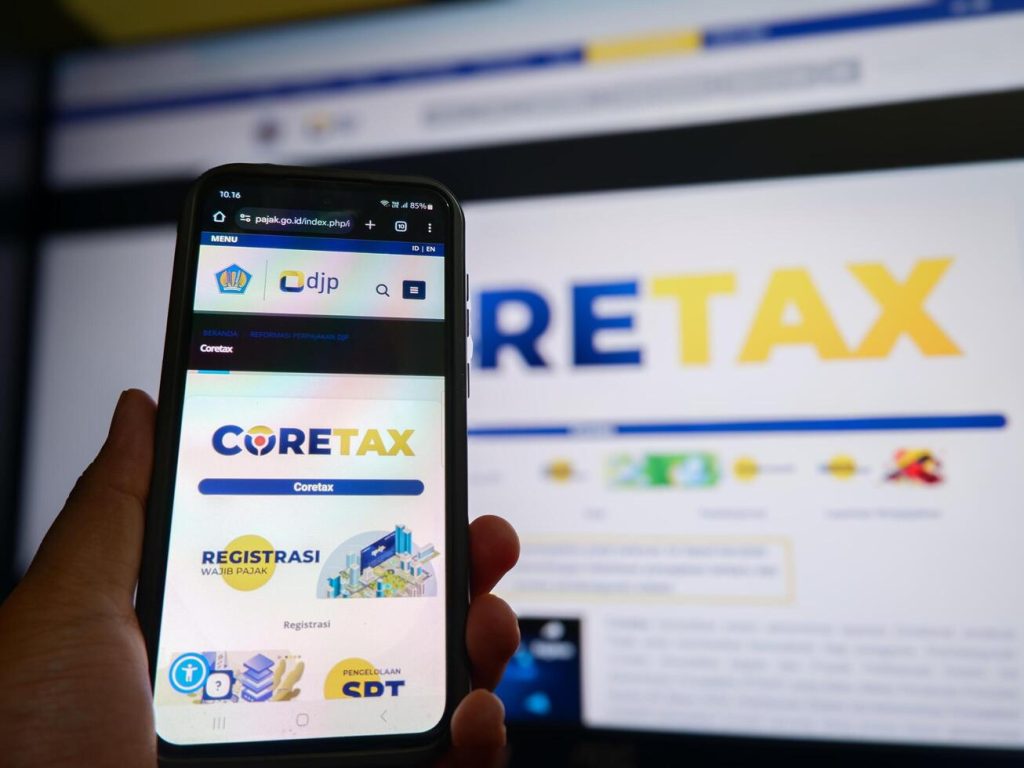
Welcome to the new frontier of Indonesian taxation. As of January 2026, the Directorate General of Taxes (DJP) has fully transitioned into the Coretax Administration System era. This digital transformation has unified fragmented legacy systems into a single, powerhouse platform, fundamentally changing how businesses and individuals interact with the state. In this high-tech landscape, “Compliance Excellence” is no longer about just meeting deadlines: it is about mastering a data-driven ecosystem. Understanding the Coretax Revolution The 2026 tax environment is defined by integration. Coretax has consolidated 21 core business processes, effectively retiring old manual workflows. For taxpayers, this means a more transparent but highly scrutinized experience. Key features of the Coretax Era include: The Taxpayer Ledger: A real-time “bank statement” for your taxes. You can now track every debit, credit, and outstanding balance in one dashboard, ensuring there are no surprises during an audit. Automated Pre-populated Returns: Manual data entry is becoming obsolete. The system now automatically pulls data from third-party withholding agents directly into your draft returns. Unified Account Management: Using the 16-digit NIK/NPWP, businesses can manage multiple tax obligations (from VAT to Income Tax) through a single, centralized portal without switching between different apps. Strategic Steps for Compliance Excellence With the DJP’s Compliance Risk Management (CRM) now powered by advanced AI and real-time data, precision is your best defense. Here is how to navigate the 2026 requirements: 1. Data Synchronization is Priority One Because the system is “pre-populated,” any discrepancy between your internal records and the data captured by Coretax will trigger immediate red flags. Monthly reconciliations between your accounting software and the Taxpayer Ledger are now essential. 2. Leverage the Tax Deposit System The new Tax Deposit feature allows taxpayers to pre-fund their tax accounts. This is a game-changer for cash flow management, allowing you to settle liabilities instantly without the friction of generating multiple billing codes for every single transaction. 3. Formalize Digital Governance For corporate entities, the Coretax system introduces sophisticated “Impersonation” and access rights features. It is vital to establish clear internal protocols on who can access, edit, and submit data to prevent unauthorized changes or data leaks. Expert Insight: In the Coretax era, the DJP knows your financial position almost as fast as you do. Excellence is achieved by ensuring your internal digital transformation keeps pace with the government’s infrastructure. The Benefits of Staying Ahead While the shift to Coretax requires an initial learning curve, the rewards of high compliance in 2026 are significant. Compliant taxpayers benefit from: Faster Refunds: Automated verification means VAT and Income Tax refunds are processed in record time. Lower Audit Risk: A “Low Risk” CRM rating reduces the frequency of intrusive field audits. Operational Agility: Seamless digital integration allows your finance team to focus on growth rather than paperwork. Conclusion Indonesia’s 2026 tax landscape is built on transparency and efficiency. By embracing the Coretax system as a strategic tool rather than a burden, your business can achieve a level of compliance excellence that fosters long-term stability and investor trust.