The Digital Economy: Mastering Tax Compliance in a Borderless Marketplace

The rapid growth of the digital economy has completely redefined traditional tax boundaries. Whether you are a software-as-a-service (SaaS) provider, a digital marketplace seller, or a content creator, the way you handle taxes is now under a global microscope. Compliance in the digital age is no longer about where your office is located, but where your value is consumed. The Complexity of Digital Tax Obligations Digital businesses face unique challenges that traditional brick-and-mortar stores do not. The virtual nature of these transactions often leads to “compliance blind spots” that can result in significant back-taxes if not managed correctly. Key areas that require immediate attention include: Value Added Tax (VAT) on Digital Goods: Most jurisdictions now require foreign and local digital providers to collect and remit VAT on services sold to domestic consumers. Nexus and Permanent Establishment: Providing services remotely can sometimes create a “tax nexus” in another country, triggering corporate income tax obligations even without a physical office. Withholding Tax on Royalties: Payments for digital licenses, software access, or intellectual property often fall under specific withholding tax rules that vary by international tax treaties. Building a Compliant Digital Finance Workflow To maintain excellence in a borderless market, digital businesses should implement a “Compliance-by-Design” approach. 1. Automated Tax Localization Relying on manual spreadsheets to calculate taxes for different regions is a recipe for disaster. Modern digital businesses must use automated tax engines that identify the customer’s location in real-time and apply the correct tax rate at the point of sale. 2. Rigorous Transaction Mapping Every digital SKU (Stock Keeping Unit) should be mapped to its correct tax category. Is your product a service, a license, or a digital download? Each may have a different tax treatment. Clear categorization reduces the risk of misreporting during a tax inquiry. 3. Managing the Paper Trail for Digital Services In an audit, digital evidence is everything. Ensure your system captures and stores metadata—such as IP addresses, billing addresses, and credit card bin codes—to justify why a specific tax rate was applied to a specific user. Expert Insight: The biggest risk for digital entrepreneurs is the “success trap.” As your user base grows globally, your tax obligations multiply. Scaling your compliance infrastructure must happen at the same speed as scaling your server capacity. The Road Ahead: Global Minimum Tax and Beyond International tax reforms are moving toward a more unified approach to ensure digital giants and startups alike pay their fair share. Staying compliant today ensures that your business remains “investment-ready” and avoids the reputational damage associated with tax disputes. Conclusion The digital marketplace offers unparalleled growth opportunities, but it comes with a new set of rules. By embracing automation and staying informed on global digital tax trends, you can focus on innovating and expanding your reach without the weight of regulatory uncertainty.
Survival Guide: Handling Tax Audits in the Era of Big Data Analytics

The year 2026 has brought a significant shift in how the Indonesian tax authority conducts audits. With the full integration of the Coretax system, tax audits are no longer random. They are now surgical, data-driven, and initiated by sophisticated AI algorithms. For businesses, being “ready” for an audit is no longer a seasonal preparation but a continuous state of operation. The Shift to Data-Driven Audits In the past, audits were often triggered by manual reports or specific anomalies. Today, the DJP utilizes Big Data Analytics to cross-reference your tax filings against bank transactions, electronic invoices, and even data from third-party marketplaces or international exchange of information (AEOI). The key differences in 2026 audits include: Real-time Discrepancy Detection: The system flags mismatches between your reported sales and the e-faktur data issued by your vendors almost instantly. Industry Benchmarking: AI compares your profit margins against the industry average. Significant deviations can trigger an automatic request for clarification (SP2DK). Network Analysis: The authority can now easily map the relationships between parent companies, subsidiaries, and affiliates to detect transfer pricing issues. Best Practices to Maintain “Audit-Ready” Status To navigate this landscape successfully, finance departments must adopt a proactive stance. Here are three critical strategies: 1. Implement Regular Internal Health Checks Do not wait for a letter from the tax office. Conduct monthly internal audits to ensure that your financial statements align perfectly with what has been reported in the Coretax portal. Consistency is the primary metric for “Low Risk” taxpayers. 2. Centralize Digital Documentation The 2026 audit process is largely digital. Having a centralized, cloud-based repository for all contracts, tax invoices, and proof of payments allows you to respond to inquiries within the strict deadlines. Missing documents are often interpreted as non-compliance. 3. Substance Over Form The tax office now looks deeper into the economic substance of transactions. Ensure that every significant expense or corporate action has clear business logic and is supported by proper documentation beyond just a simple invoice. Expert Insight: In a world of automated oversight, the best defense is a transparent trail. If your data is clean and your business logic is sound, an audit becomes a routine verification rather than a financial threat. When the Audit Letter Arrives If you receive a notification, the first step is to remain calm and review the specific points of inquiry in the Coretax dashboard. Since the system is now transparent, you can see exactly which data points triggered the alert. Providing a clear, data-backed explanation during the initial “Request for Clarification” (SP2DK) stage is often enough to resolve the issue before it escalates into a full-scale field audit. Conclusion The 2026 tax landscape demands a higher level of digital literacy and financial discipline. By viewing tax compliance as a real-time responsibility rather than an annual hurdle, your business stays protected from the risks of the Big Data era.
Navigating Indonesia’s 2026 Tax Landscape: A Guide to the Coretax Era and Compliance Excellence
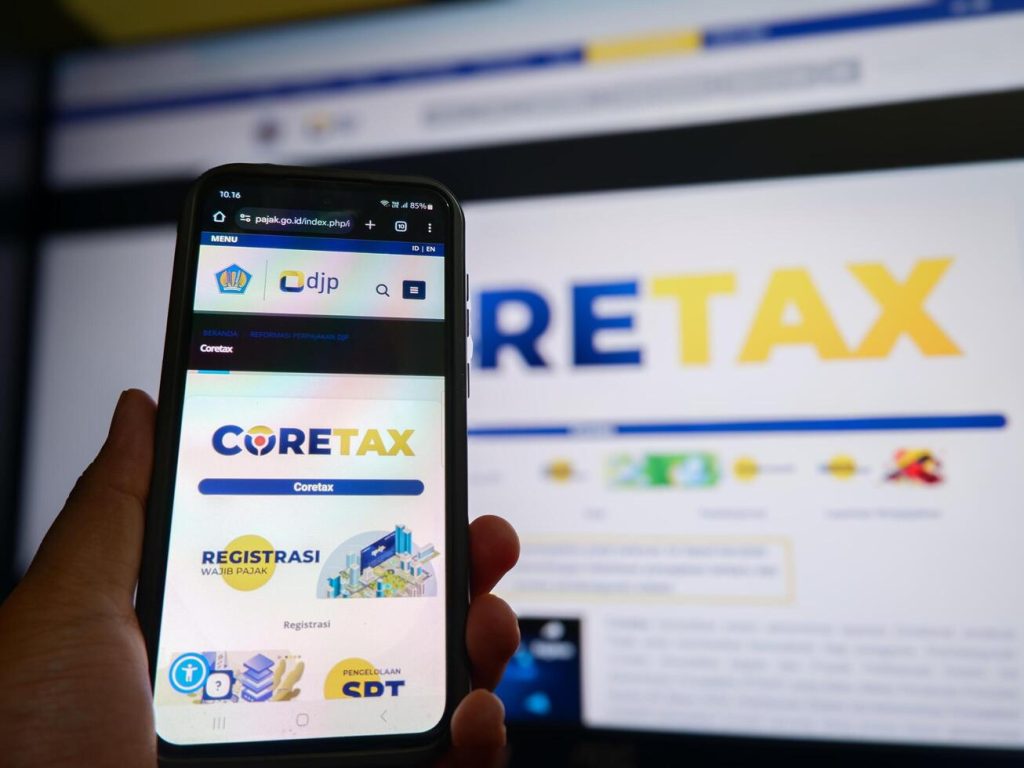
Welcome to the new frontier of Indonesian taxation. As of January 2026, the Directorate General of Taxes (DJP) has fully transitioned into the Coretax Administration System era. This digital transformation has unified fragmented legacy systems into a single, powerhouse platform, fundamentally changing how businesses and individuals interact with the state. In this high-tech landscape, “Compliance Excellence” is no longer about just meeting deadlines: it is about mastering a data-driven ecosystem. Understanding the Coretax Revolution The 2026 tax environment is defined by integration. Coretax has consolidated 21 core business processes, effectively retiring old manual workflows. For taxpayers, this means a more transparent but highly scrutinized experience. Key features of the Coretax Era include: The Taxpayer Ledger: A real-time “bank statement” for your taxes. You can now track every debit, credit, and outstanding balance in one dashboard, ensuring there are no surprises during an audit. Automated Pre-populated Returns: Manual data entry is becoming obsolete. The system now automatically pulls data from third-party withholding agents directly into your draft returns. Unified Account Management: Using the 16-digit NIK/NPWP, businesses can manage multiple tax obligations (from VAT to Income Tax) through a single, centralized portal without switching between different apps. Strategic Steps for Compliance Excellence With the DJP’s Compliance Risk Management (CRM) now powered by advanced AI and real-time data, precision is your best defense. Here is how to navigate the 2026 requirements: 1. Data Synchronization is Priority One Because the system is “pre-populated,” any discrepancy between your internal records and the data captured by Coretax will trigger immediate red flags. Monthly reconciliations between your accounting software and the Taxpayer Ledger are now essential. 2. Leverage the Tax Deposit System The new Tax Deposit feature allows taxpayers to pre-fund their tax accounts. This is a game-changer for cash flow management, allowing you to settle liabilities instantly without the friction of generating multiple billing codes for every single transaction. 3. Formalize Digital Governance For corporate entities, the Coretax system introduces sophisticated “Impersonation” and access rights features. It is vital to establish clear internal protocols on who can access, edit, and submit data to prevent unauthorized changes or data leaks. Expert Insight: In the Coretax era, the DJP knows your financial position almost as fast as you do. Excellence is achieved by ensuring your internal digital transformation keeps pace with the government’s infrastructure. The Benefits of Staying Ahead While the shift to Coretax requires an initial learning curve, the rewards of high compliance in 2026 are significant. Compliant taxpayers benefit from: Faster Refunds: Automated verification means VAT and Income Tax refunds are processed in record time. Lower Audit Risk: A “Low Risk” CRM rating reduces the frequency of intrusive field audits. Operational Agility: Seamless digital integration allows your finance team to focus on growth rather than paperwork. Conclusion Indonesia’s 2026 tax landscape is built on transparency and efficiency. By embracing the Coretax system as a strategic tool rather than a burden, your business can achieve a level of compliance excellence that fosters long-term stability and investor trust.