
The Green Tax Era: Integrating Carbon Compliance into Your 2026 Business Strategy
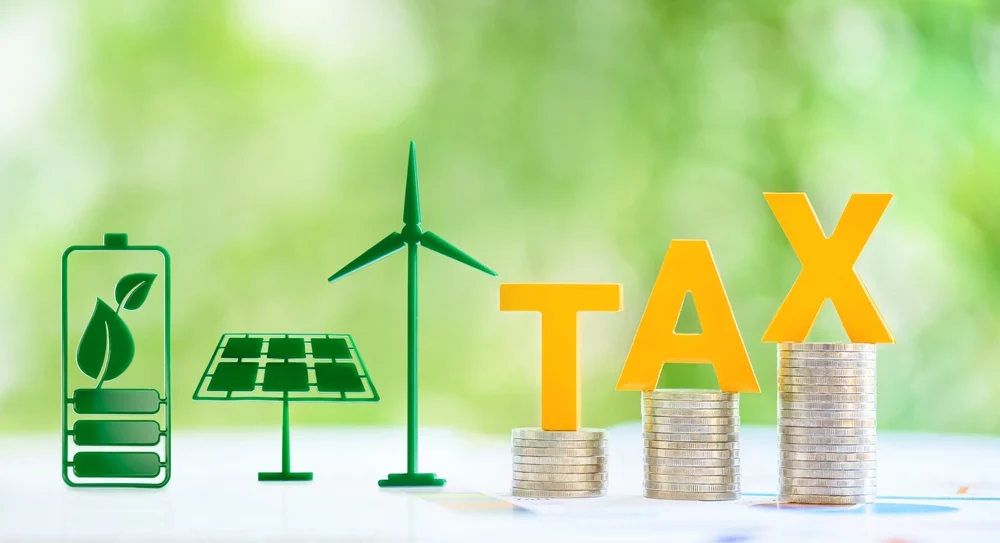
As we move through 2026, the intersection of environmental responsibility and financial obligation has become a reality for Indonesian businesses. The full implementation of the Carbon Tax (Pajak Karbon) alongside the Coretax system has introduced a new layer of complexity to corporate compliance. Sustainability is no longer just a marketing slogan: it is now a line item in your tax report. Why Green Compliance Matters Now The government’s “Cap and Tax” mechanism is designed to incentivize decarbonization. For companies in high-emission sectors, and increasingly for SMEs within their supply chains, failing to account for carbon can lead to: Direct Financial Levies: Taxes imposed on carbon emissions that exceed set thresholds. Supply Chain Pressure: Large multinational corporations now prioritize vendors who can provide accurate carbon footprint data for their own ESG reporting. Access to Green Finance: Banks and investors in 2026 offer significantly better rates to companies with high “Green Compliance” ratings. Navigating the New Carbon Reporting Requirements Reporting your environmental impact is now digitally integrated with your standard tax filings. Here is how to stay ahead: 1. Accurate Carbon Accounting Just as you track every Rupiah, you must now track your carbon equivalents ($CO_{2}e$). This includes direct emissions from company facilities and indirect emissions from purchased electricity. Under the 2026 regulations, these figures must be verifiable and consistent with your operational data. 2. Utilizing Carbon Offsets Companies that invest in renewable energy or reforestation projects can often claim Carbon Offsets. These credits can be used to reduce your taxable carbon base. However, the documentation must be rigorous and registered within the National Registry System (SRN PPI). 3. Synergy with Coretax The DJP’s digital infrastructure now allows for a “Green Dashboard” view. This enables companies to see how their environmental performance impacts their overall tax risk profile. High emissions without a mitigation plan are now viewed as a potential business continuity risk. Business Tip: Green compliance is an opportunity for efficiency. Reducing your carbon footprint usually involves optimizing energy use, which directly lowers your operational costs while simultaneously reducing your tax burden. Steps to Build a Sustainable Tax Strategy Appoint a Sustainability Lead: Bridge the gap between your operations team and your tax department. Audit Your Energy Use: Identify the “low-hanging fruit” where emission reductions can be made quickly. Review Incentive Eligibility: Check if your “green” investments qualify for tax holidays or accelerated depreciation under the latest 2026 investment laws. Conclusion The transition to a low-carbon economy is reshaping the Indonesian tax landscape. By proactively integrating carbon management into your tax compliance framework, you protect your business from new levies while positioning yourself as a leader in the sustainable marketplace of tomorrow.