Empowering SMEs: Simplifying Tax Compliance for Sustainable Scale-Up

For Small and Medium Enterprises (SMEs), taxes are often viewed as a complex barrier to growth. However, in the modern business landscape, professional tax management is the bridge that transforms a local shop into a scalable enterprise. By utilizing simplified tax regimes, SMEs can spend less time on paperwork and more time on innovation. The Benefits of Specialized SME Tax Schemes Many jurisdictions offer a “Simplified Regime” or “Final Tax” for businesses under a certain revenue threshold. This system is designed to reduce the administrative burden on entrepreneurs. Key advantages of these schemes include: Simplified Calculation: Instead of complex corporate income tax formulas, taxes are often calculated as a small, flat percentage of gross turnover. Streamlined Reporting: Reduced requirements for financial auditing, making it easier for business owners to manage their own filings. Tax-Free Thresholds: Many countries provide a “safety net” where SMEs do not pay income tax until their annual revenue exceeds a specific limit, allowing early-stage startups to reinvest their profits. Critical Steps for SME Compliance Excellence Even with a simplified system, basic financial discipline is mandatory to avoid future legal hurdles. 1. Validating Business Categorization Ensure your business is correctly registered under the SME category. Misclassification can lead to being taxed under the standard corporate rate, which is often much higher and requires more complex bookkeeping. 2. The “Gross vs. Net” Trap In a flat-rate tax system, you pay based on your total sales (gross), not your profit (net). This means even if your business is running at a loss in a particular month, the tax obligation remains. Understanding this is vital for maintaining a healthy cash flow. 3. Transition Planning Simplified tax schemes often have an “expiration date” or a revenue cap. Once your business grows beyond these limits, you will be required to switch to the standard corporate tax system. Smart SMEs plan for this transition at least a year in advance by gradually improving their accounting standards. Entrepreneur Tip: Proper tax records are often a prerequisite for securing business loans from banks or attracting angel investors. Think of compliance as a “trust signal” that proves your business is managed professionally. Moving Toward Digital Bookkeeping The era of manual ledgers is ending. SMEs that adopt simple, cloud-based accounting apps find that tax season becomes a non-event. These tools automatically track your turnover and can often generate the necessary tax reports with a single click, ensuring accuracy and peace of mind. Conclusion Tax compliance should not be a burden that keeps you up at night. By leveraging SME-specific tax benefits and maintaining basic financial order, you turn a legal obligation into a competitive advantage that paves the way for institutional growth.
Creator Compliance: A Professional Guide to Tax for Influencers and Digital Content Creators

The creator economy has transitioned from a side hobby into a multi-billion dollar industry. As influencers, streamers, and digital artists secure larger brand deals and diversified income streams, tax authorities are paying closer attention. For the modern creator, being “pro” isn’t just about the quality of your content—it’s about the integrity of your financial reporting. Understanding the Creator Income Stream Tax compliance for influencers is unique because income rarely comes from a single source. A professional creator must account for various types of revenue, each with potentially different tax treatments: Endorsements and Brand Deals: Direct payments for sponsored content are generally treated as service income. Ad Revenue Sharing: Payments from platforms like YouTube or Twitch often involve international tax treaties and withholding taxes. Affiliate Marketing: Commissions earned from referral links require meticulous tracking of conversion reports. Non-Cash Benefits (Endorsements in Kind): Receiving free luxury goods, gadgets, or travel in exchange for coverage is often considered taxable “income in kind” based on the fair market value of the item. Key Strategies for Financial Excellence To avoid the common pitfalls of the “creative tax gap,” professionals should adopt these fundamental practices: 1. Separation of Personal and Business Finances The biggest mistake many creators make is mixing personal spending with business earnings. Opening a dedicated business account allows you to clearly track production costs (like camera gear, editing software, and studio rent) which can often be used as tax-deductible expenses. 2. Mastering the “Deemed Expenses” Rule In many jurisdictions, individual creators can use a simplified reporting method (such as a “Norma” in Indonesia) if their turnover is below a certain threshold. This allows you to pay tax on a percentage of your income without needing a full corporate audit, provided you maintain accurate records of your gross revenue. 3. Global Tax Documentation If you receive payments from overseas platforms, you must manage international tax forms (like the W-8BEN for US-based platforms). Failing to submit these correctly can result in a maximum withholding tax of 30% before the money even reaches your account. Professional Tip: A “gifted” item is rarely free in the eyes of the tax office. If a brand sends you a $2,000 laptop for a review, that amount may be added to your taxable income for the year. Always clarify the tax status of high-value gifts in your talent contracts. Preparing for Future Scrutiny Tax authorities now use AI and social media monitoring tools to cross-reference a creator’s lifestyle and visible wealth with their reported income. Maintaining “Audit-Ready” status means having a digital trail for every campaign, invoice, and business-related purchase. Conclusion Building a career as a content creator requires a long-term vision. By treating your influence as a formal business and maintaining rigorous tax compliance, you protect your brand’s reputation and ensure that your hard-earned income is spent on growth rather than penalties.
Navigating Indonesia’s 2026 Tax Landscape: A Guide to the Coretax Era and Compliance Excellence
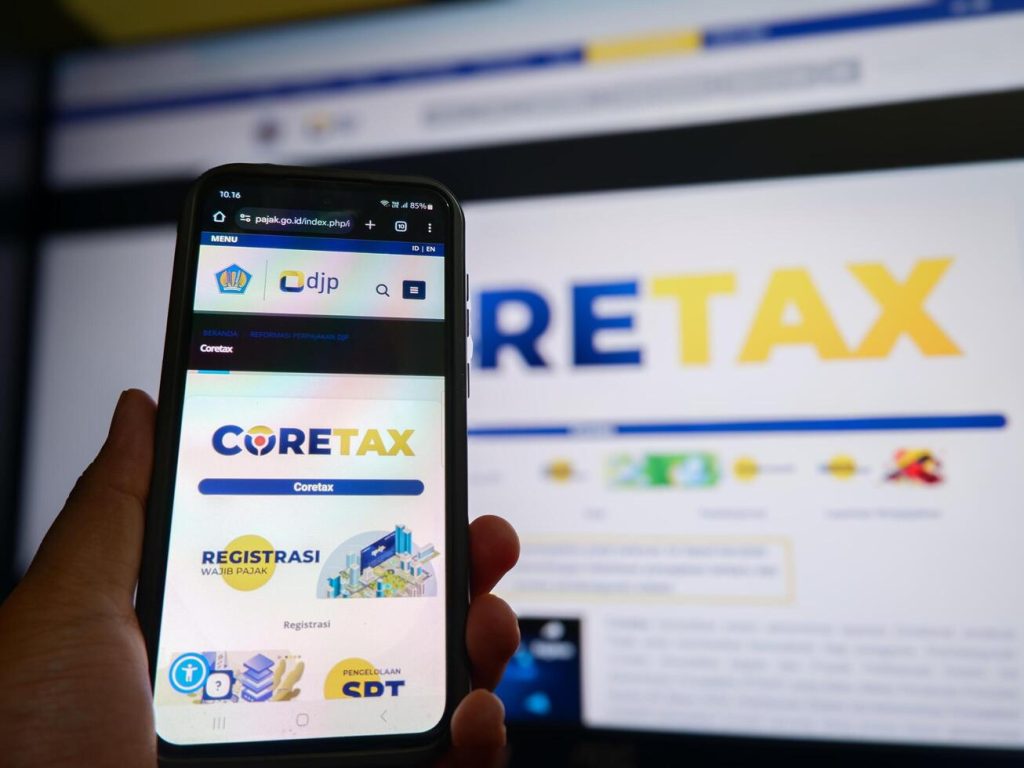
Welcome to the new frontier of Indonesian taxation. As of January 2026, the Directorate General of Taxes (DJP) has fully transitioned into the Coretax Administration System era. This digital transformation has unified fragmented legacy systems into a single, powerhouse platform, fundamentally changing how businesses and individuals interact with the state. In this high-tech landscape, “Compliance Excellence” is no longer about just meeting deadlines: it is about mastering a data-driven ecosystem. Understanding the Coretax Revolution The 2026 tax environment is defined by integration. Coretax has consolidated 21 core business processes, effectively retiring old manual workflows. For taxpayers, this means a more transparent but highly scrutinized experience. Key features of the Coretax Era include: The Taxpayer Ledger: A real-time “bank statement” for your taxes. You can now track every debit, credit, and outstanding balance in one dashboard, ensuring there are no surprises during an audit. Automated Pre-populated Returns: Manual data entry is becoming obsolete. The system now automatically pulls data from third-party withholding agents directly into your draft returns. Unified Account Management: Using the 16-digit NIK/NPWP, businesses can manage multiple tax obligations (from VAT to Income Tax) through a single, centralized portal without switching between different apps. Strategic Steps for Compliance Excellence With the DJP’s Compliance Risk Management (CRM) now powered by advanced AI and real-time data, precision is your best defense. Here is how to navigate the 2026 requirements: 1. Data Synchronization is Priority One Because the system is “pre-populated,” any discrepancy between your internal records and the data captured by Coretax will trigger immediate red flags. Monthly reconciliations between your accounting software and the Taxpayer Ledger are now essential. 2. Leverage the Tax Deposit System The new Tax Deposit feature allows taxpayers to pre-fund their tax accounts. This is a game-changer for cash flow management, allowing you to settle liabilities instantly without the friction of generating multiple billing codes for every single transaction. 3. Formalize Digital Governance For corporate entities, the Coretax system introduces sophisticated “Impersonation” and access rights features. It is vital to establish clear internal protocols on who can access, edit, and submit data to prevent unauthorized changes or data leaks. Expert Insight: In the Coretax era, the DJP knows your financial position almost as fast as you do. Excellence is achieved by ensuring your internal digital transformation keeps pace with the government’s infrastructure. The Benefits of Staying Ahead While the shift to Coretax requires an initial learning curve, the rewards of high compliance in 2026 are significant. Compliant taxpayers benefit from: Faster Refunds: Automated verification means VAT and Income Tax refunds are processed in record time. Lower Audit Risk: A “Low Risk” CRM rating reduces the frequency of intrusive field audits. Operational Agility: Seamless digital integration allows your finance team to focus on growth rather than paperwork. Conclusion Indonesia’s 2026 tax landscape is built on transparency and efficiency. By embracing the Coretax system as a strategic tool rather than a burden, your business can achieve a level of compliance excellence that fosters long-term stability and investor trust.